
Contact Us

Thank you! Your submission has been received!
Oops! Something went wrong while submitting the form.
Close Icon

Enroll Now

get Job-Ready in only
Twelve Weeks

Certifications Received

Arrow Icon

OSHA 10

Arrow Icon

First Aid and CPR

Arrow Icon

NCCER CORE

Arrow Icon

Hazardous Materials Awareness

What I get

Arrow Icon

Job Ready Skills

Arrow Icon

Small Class Size

Arrow Icon

80% Hands on Learning

how to become
a plumber

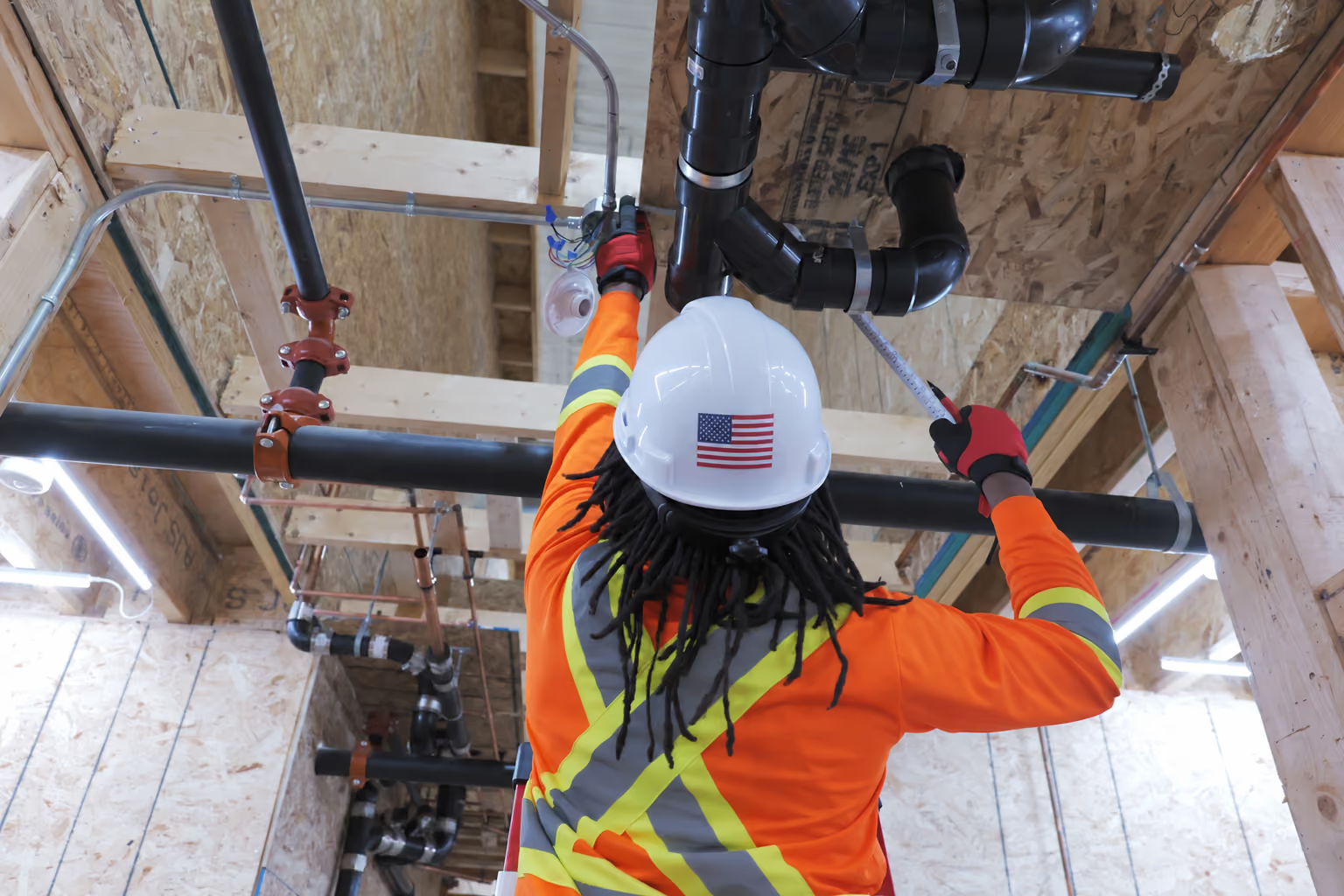
Worker in an orange reflective jacket and white hard hat with an American flag sticker measuring black pipes on a wooden ceiling in a construction area.

What Does a Plumber Do?

View Plumbing Course

Essential Skills for the Modern Plumber

VIEW PLUMBING COURSE

How to Become a Licensed Plumber

Across the U.S., the journey to becoming a plumber generally follows these standard milestones.

1

Education & Pre-Apprenticeship Training

In most states, aspiring plumbers must be 18 or older and have a high schooldiploma or a GED.

If you’re wondering how to become a plumber apprentice, the quickest and most effective way is by completing a plumbing pre-apprenticeship program. Enrolling at a reputable trade school like Skilled Trades USA gives you a competitive edge by teaching you safety (OSHA 10) and the basics of plumbing systems and tools before you ever apply for a job.

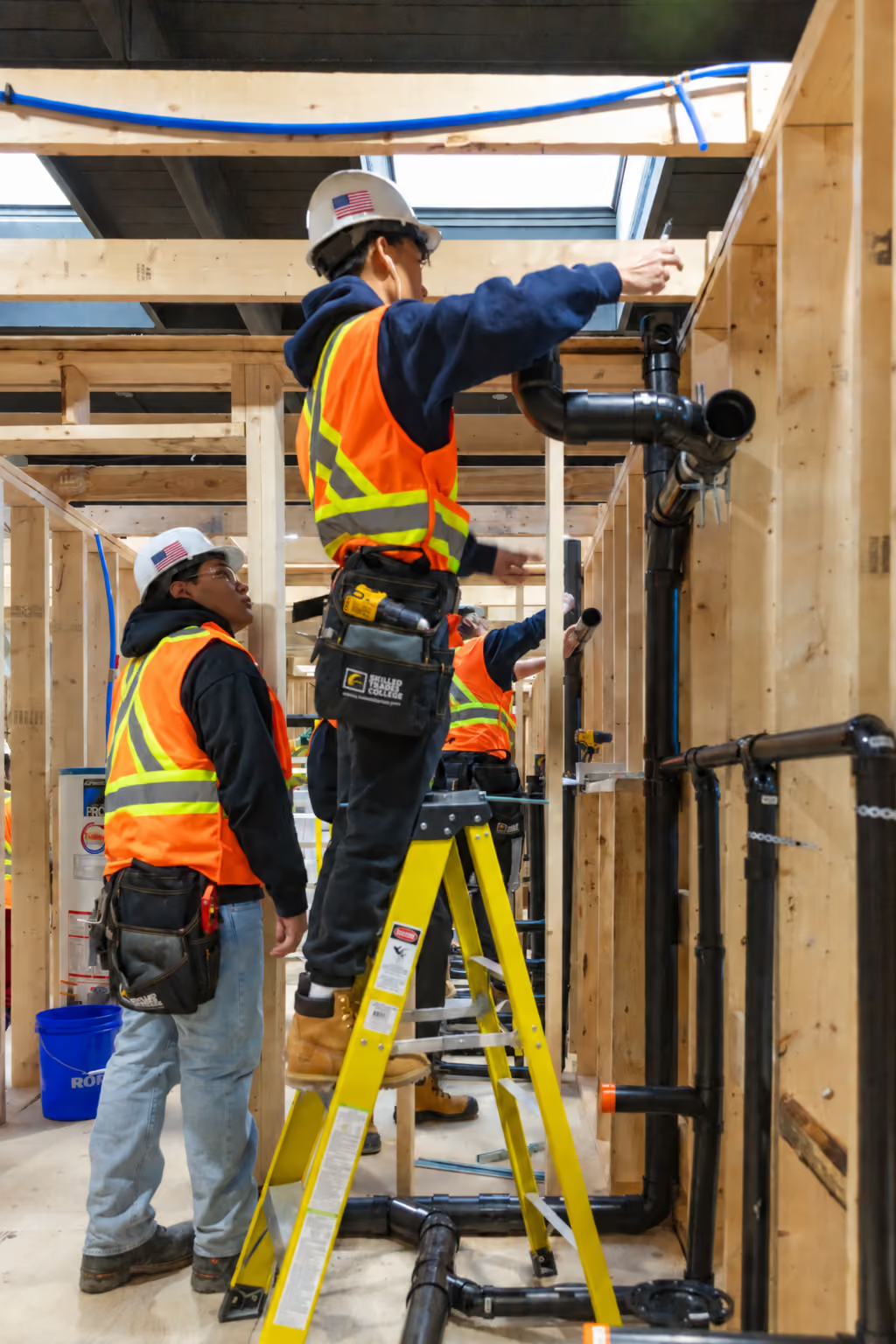
Skilled Trades USA provides students with formal training in blueprint reading, piping systems and fixtures, as well as hands-on experience with power tools and new technologies used in today’s construction industry. Under the direct supervision of trained professionals, students can fast-track their career as a plumber in as little as 12 weeks.

2

Registered Apprenticeship (4-5 Years)

This is the core of your training. You will complete approximately 8,000 hours of on-the-job training and 500-1,000 hours of classroom instruction. As an apprentice, you typically start at $16-$22 per hour, with guaranteed raises as you gain experience.

3

Journeyman Plumbing License

After your plumbing apprenticeship, you’ll be eligible to sit for the journeyman exam. Once licensed, you can work independently on most residential and commercial projects without direct supervision.

4

Master Plumber or Contractor

How to Become a Plumber in Florida

Potential Plumbing Career Paths

Plumbing Specialty

Work Environment

Key Responsibilities & Focus Areas

Residential Plumbing

Commercial Plumbing

Industrial / Pipefitting

Green Plumbing

Benefits of Becoming a Plumber
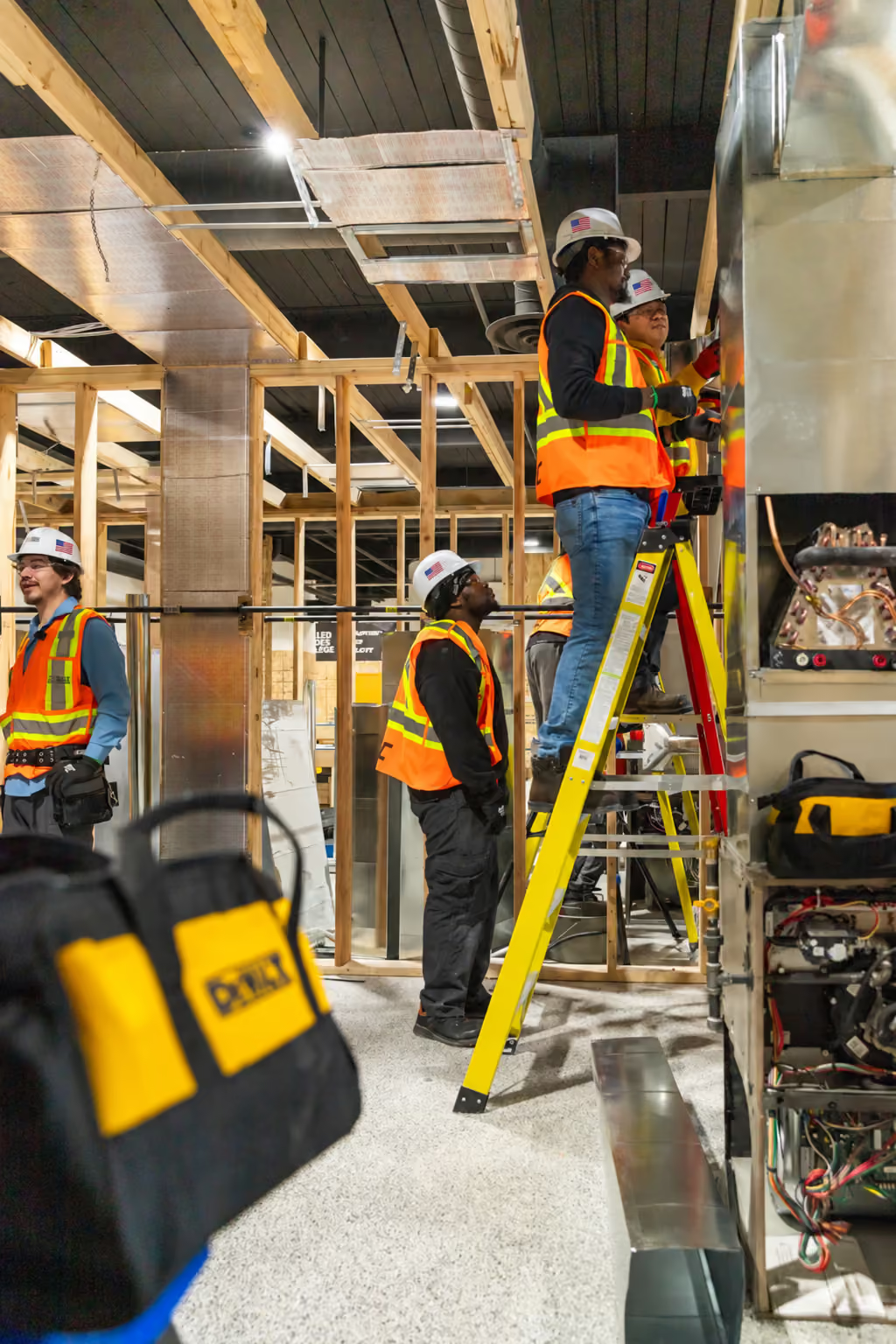
Four construction workers wearing U.S. flag hard hats and orange safety vests working indoors on HVAC duct installation; one on a yellow ladder adjusting ductwork, others standing nearby in framed building interior.

Stop Dreaming, Start Doing at Skilled Trades USA

The difference between a "job" and a "career" is a plan. Most people wait years to find an apprenticeship because they lack the knowledge or confidence to get hired. Skilled Trades USA gives you the “Skilled Advantage” turning you into a high-value asset in just 12 weeks!

Ready to become a plumber? Contact the admissions team at Skilled Trades USA to get started today!
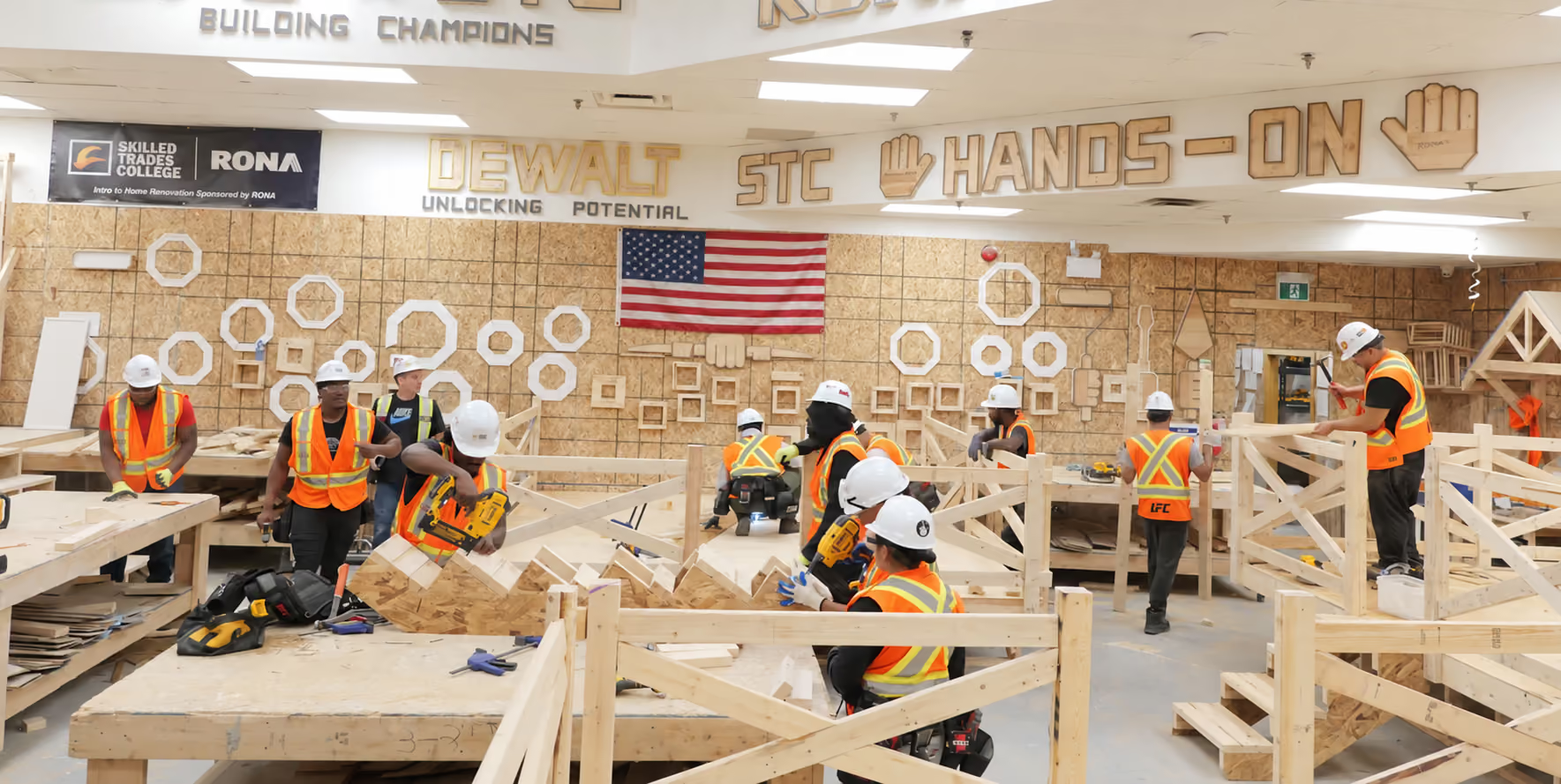

Several people wearing white hard hats and orange safety vests are working on wooden construction projects inside a workshop with signs that read 'DEWALT unlocking potential' and 'STC Hands-On'. An American flag hangs on the back wall decorated with wooden geometric shapes.

Frequently Asked Questions

Is it too late to become a plumber in my 30s or 40s?
No. There is no age limit for an apprenticeship as long as you have the physical stamina to handle the job's demands.
How long does it take to become a plumber?
While you can start working as a helper or pre-apprentice immediately after 12 weeks of training, it typically takes 4 to 5 years of documented on-the-job experience to qualify for your Journeyman license.
How hard is it to become a plumber?
There’s no denying that becoming a plumber is physically and mentally demanding, but it’s accessible to anyone with grit. You must be comfortable working in tight spaces, lifting heavy equipment, and handling "dirty" environments (like raw sewage). Success requires strong math skills for flow calculations and the critical thinking to troubleshoot complex systems under pressure.
Can plumbers make $100,000 a year?
Yes. While the median is around $63,000 in the States, plumbers who obtain Master status, specialize in niche areas like industrial steamfitting, or own their own business, regularly exceed six figures.